
What a construction marketing agency should deliver in 12 months: project pages, paid search, LinkedIn and a CRM that tracks tenders and bids won.
A framework renewal is eighteen months away, two of the directors who bring in most of the repeat work are within sight of retirement, and the board has asked a fair question: what is our marketing for? The company wins work through tenders, frameworks and people who already know it. Nobody is going to award a £2m school extension off the back of a Google search.
That is true, and marketing still has a job to do. Before a contractor is invited to tender, somebody checks them. A procurement officer, a developer's project manager or an architect putting a list together will look the firm up, read two or three project pages and decide in a few minutes whether it belongs on the list. Marketing for a contractor is mostly about being found and passing that check, then keeping track of the relationships that follow.
This piece is written for contractors, subcontractors and developers with a turnover in the millions and someone responsible for marketing, even if that is a director doing it on a Friday afternoon. It sets out a 12-month plan around one worked example, and says what a construction marketing agency should deliver at each stage. It is the kind of plan we build through our growth advisory work.
The year in three lines
- Spend the first 90 days on 12 to 15 proper project pages, sector and service pages, and a CRM that records every bid, because everything later depends on those three.
- Add paid search only for the specialist services people search for by name, and use LinkedIn for a named list of 50 or so target accounts, from month four onwards.
- Clear Click plans and runs the search, paid media and CRM parts of this, and brings in photographers, designers and bid writers where the plan needs them.
What is marketing for when the work comes through tenders?
Take a regional contractor turning over £15m. This is a worked example, with invented numbers, and it runs through the rest of the piece. The firm does commercial, education and healthcare projects, has a small refurbishment division, and runs its own groundworks team. It prices around 50 jobs a year and wins about one in five, at an average of £1.5m a job.
Put like that, the commercial case is easy to see. One extra win a year is worth £1.5m, or 10% of turnover. Marketing does not need to produce hundreds of leads. It needs to do three things:
- get the firm onto more of the right tender lists
- help it pass the checks buyers make before and during a bid
- keep it in front of the people who award repeat work
The way we see it, that changes what a marketing budget should buy. Brand campaigns and a busy social feed come a long way down the list. Evidence comes first: what you have built, for whom, to what standard, and who can vouch for it.
Search still matters, because checking happens in search. Buyers look up the company name, the name plus a sector, or a service in a region. We cover the organic side in detail in our guide to SEO for construction companies, so this piece stays with the wider plan.
What should the first 90 days of the plan cover?
Foundations. None of it is glamorous, and all of it gets used for years. For our contractor, the first quarter has three jobs.
Project pages as the core asset
A project page is the closest thing a contractor has to a product page. Each one should state the client type, the sector, the contract value band, the form of contract, the programme, what was difficult and how it was solved. Add good photographs and a named reference if the client agrees.
In plain English, a project page answers the question every buyer is asking: have you done a job like mine? Our contractor has delivered more than 100 projects and has nine on its website, most with one photo and a paragraph. Twelve to 15 written properly, spread across the three sectors it wants more of, is a realistic 90-day target.
Sector and service pages
Project pages need somewhere to live. A page for each sector (education, healthcare, commercial) and each service (design and build, refurbishment, groundworks) pulls the relevant projects together and gives search engines a clear page to show for each. Architects and engineers do something similar with portfolios, and our piece on SEO for architects and engineering firms shows how that works on a portfolio site.
A CRM that records bids and relationships
Our contractor tracks tenders in an estimator's spreadsheet and relationships in directors' heads. That works until somebody retires. A CRM set up for construction holds every opportunity from first conversation to award: who invited the firm, which framework or portal it came through, the value, the outcome and the feedback.
It also holds the people. Which quantity surveyors, architects and client-side project managers has the firm worked with, and when did anyone last speak to them? Start manually, with the last two years of bids typed in. That history is what tells you later whether the marketing is working.
Months four to six: where do paid search and LinkedIn fit?
With the evidence in place, the plan can start paying for attention. The order matters, because adverts that land on a thin website waste money quickly.
Paid search for the specialist services
Search demand in construction is uneven. Very few people search for a main contractor to build a school. Plenty search for specialist services by name and area: a groundworks contractor, an office refurbishment contractor, a fit-out firm. Our contractor has two divisions that fit that pattern, so paid search goes behind those two and nothing else.
Expect clicks to be dear and enquiries to be mixed, with domestic jobs and job seekers in among the commercial ones. Tight keyword lists, negative keywords and a form that asks for project value and timescale sort most of that out. Our B2B PPC guide covers how to run an account when the buyer is a committee.
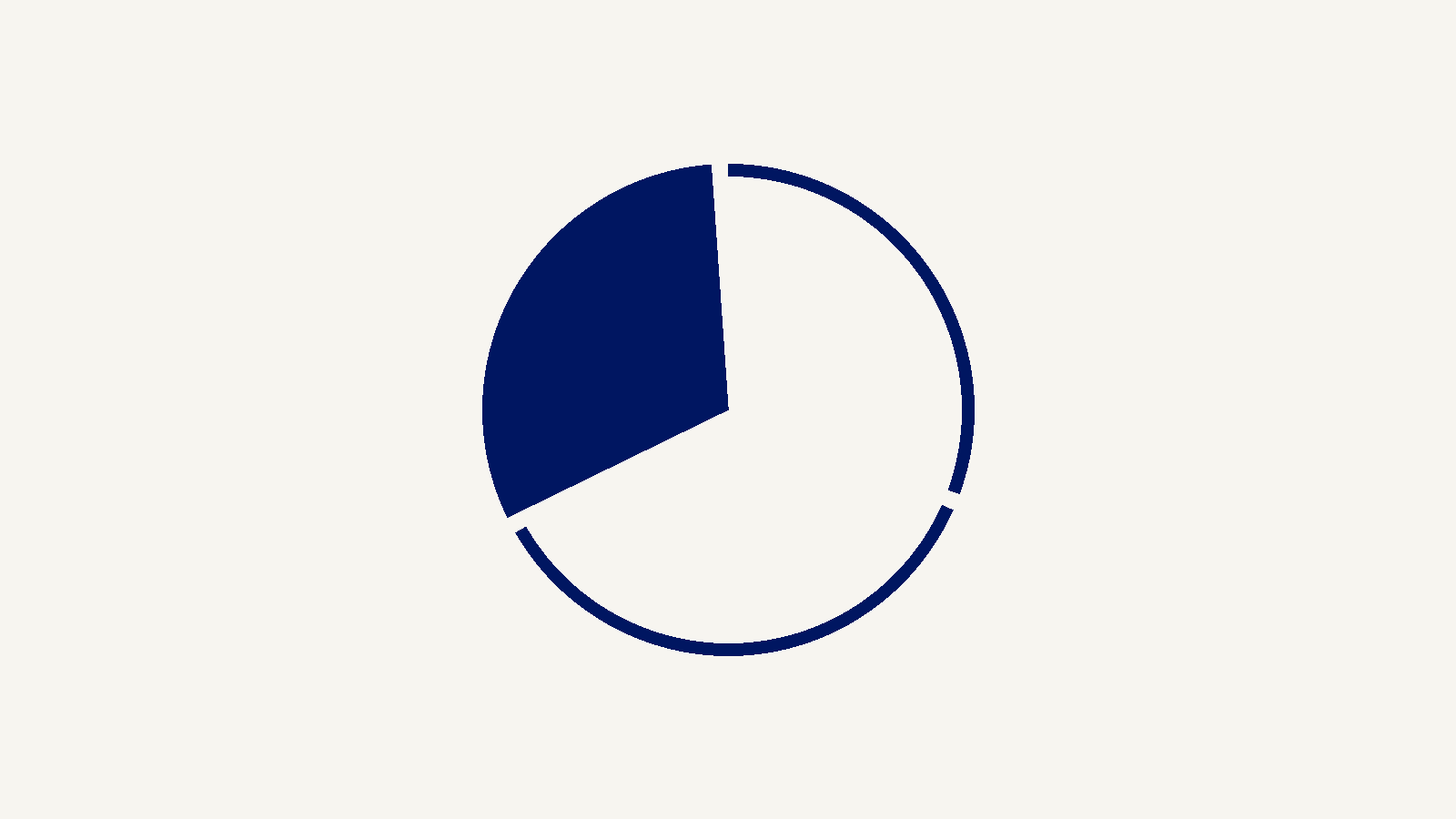
1,000 searches a month: The number of UK searches for "construction marketing agency", which suggests a lot of contractors are asking the same question their own buyers ask about them, namely who can be trusted with this.
Source: SEMrush, UK database, November 2026.
It helps to size your own market the same way. The two terms we checked, "construction marketing agency" and "seo for construction companies", come to about 2,000 searches a month in the UK. Do the same sum for your services in your region. As a worked example, if those searches came to 1,500 a month, holding 10% of the clicks would mean 150 visits a month from people with a job to price. For a firm starting from very little, that is a sensible first-year ambition, and it is how we use market share as a target.
LinkedIn for named accounts
For the main contracting side, the audience is small and known. Our contractor can write down the 50 organisations it most wants to work for: local authorities, NHS trusts, academy trusts, three or four developers and the consultants who advise them. LinkedIn lets you upload a company list and show content only to people at those organisations in relevant roles.
What they see should be the project pages, a handover film, a short piece from the contracts director on a problem solved on site. The budget is modest, because the audience is a few thousand people. Directors posting from their own profiles often does as much as the paid activity, and it costs an hour a week.
Months seven to twelve: how do you measure whether it is working?
By now the contractor has pages, some paid activity and a year's worth of bids in the CRM. The second half of the year is about proof and reporting.
Accreditations and social value content
Public sector buyers and the larger private clients score more than price. They ask about health and safety, quality, environmental management and the social value a contractor brings to the area: apprenticeships, local supply chain spend, work with schools. Most contractors do a great deal of this and publish almost none of it.
Give accreditations and scheme memberships their own page, kept current, and write up social value with figures per project. Bid teams can then lift from published pages, and evaluators who look the firm up find the same story the bid tells. Scoring rules change, so check the current guidance from the buying authority or the framework before relying on any one weighting.
The numbers on the monthly report
Rankings and sessions are useful to the people doing the work. The board needs a shorter list, taken from the CRM:
- enquiries and invitations to tender, by source
- pre-qualification stages passed
- bids submitted, win rate and value won
For our contractor, a reasonable year-one aim would be six more invitations to tender from organisations on the target list, and a win rate that moves from one in five towards one in four on the sectors with strong project pages. Either one covers the cost of the programme several times over. Neither shows up in the first quarter, so expect month four to feel slow.
A plan like this works best when one person owns the order of work and the numbers, whoever does each part. See how our growth advisory works
How does the plan change by type of construction business?
The shape holds across the sector, but the weight on each part shifts. These are the five groups we are asked about most.
Main contractors. Marketing for main contractors is about tender lists and frameworks. Project pages, sector pages, social value and LinkedIn for named accounts carry most of the weight, and paid search very little.
Specialist subcontractors. Roofing contractors, groundworks contractors and M&E contractors have real search demand for what they do, from main contractors' buyers as well as end clients. Service pages by area and paid search earn their place early, alongside the accreditations that buyers filter on.
Housebuilders and developers. Marketing for housebuilders runs on two tracks. One sells homes to the public, development by development. The other is aimed at landowners, land agents and housing associations, and needs its own pages on land buying and partnerships.
Civil engineering. Civil engineering contractors sell to a short list of infrastructure clients, utilities and tier one contractors. The plan leans hardest on technical case studies, capability statements and the CRM, because a handful of relationships account for most of the turnover.
Fit-out and refurbishment. Fit-out contractors and refurbishment contractors are found through search more than any other group here, by office managers, landlords and designers. Photography, sector pages (offices, retail, hospitality) and paid search in the regions served matter most here.
Questions we get asked
What does a construction marketing agency do?
It plans and runs the activity that gets a contractor found, checked and invited: project and sector pages, search, paid media, LinkedIn, and the CRM that tracks bids. Some agencies also cover brand, video and PR. Ask which parts are done in house and which are brought in.
Is search marketing for construction worth it when work comes through tenders?
Yes, though for a different reason than in most sectors. Buyers search to check a firm before inviting it, and specialist services are searched for directly. The return shows up as invitations to tender and win rate more than as website leads.
Do you offer SEO services for construction companies?
We do, as part of a wider plan or on its own. It usually starts with an audit of the site and project pages, then a programme of sector, service and location pages. Our construction SEO guide linked above sets out the detail.
How much does a construction marketing agency cost?
It depends on scope. £1,700 a month plus VAT is the starting fee for our SEO work, and for paid media management it is £1,500 a month plus VAT, before ad spend. Photography, video and design are quoted per project by the people we bring in.
Is this different from what a manufacturing marketing agency would do?
The method is close: evidence pages, search for the products or services people look for by name, and a CRM tracking a long sale. Construction differs in how formal the buying is, with pre-qualification, frameworks and scored tenders shaping what needs publishing.
Where we fit
Search and CRM are what Clear Click does. For a contractor, that means we plan the year, build the page structure, run SEO, paid search and LinkedIn, set up the CRM and report on enquiries and invitations to tender. We are not a full-service creative agency, and it helps to know that early. Site photography, film, brand identity, PR and bid writing are specialist crafts, so we bring in people we trust for those, or work alongside yours.
We have no construction case study to show here yet, so the example in this piece is a worked one, and we would rather say that than borrow a number. A good first step is to count your project pages against the sectors you want more work in. For a second pair of eyes on the plan, get in touch and tell us how the work comes in today.