What a HubSpot consultant should do in the first 90 days: process mapping, data model, pipelines, integrations, training, pricing and partner tiers.
The HubSpot licence renewed last month. Marketing sends its newsletters from it, the sales team logs the odd call, and the forecast the board reads still comes out of a spreadsheet someone updates on a Friday afternoon. That was never anyone's plan. The portal went live before the business had agreed how it sells, and everything since has been built around that gap.
It is also the usual moment to bring in a HubSpot consultant, and a good one. Everything in that picture is fixable. The order matters more than the effort: process first, then the data model, then pipelines, integrations, automation and reporting, with training running alongside from the start.
This piece sets out how a consultant differs from an agency or from HubSpot's own onboarding, what a good one does, a 90-day plan you can hold them to, how pricing tends to work and how much weight to give partner tiers. It follows the same sequence as our HubSpot CRM setup and implementation work.
Your first 90 days with a HubSpot consultant
- A good HubSpot consultant spends the first two weeks or so mapping how you sell and hand work between teams before configuring anything, because pipelines and properties built on a guess get rebuilt later.
- By day 90 you should have one agreed data model, pipeline stages that match real buying decisions, your main systems connected and a sales team using the CRM because it saves them time.
- Clear Click runs HubSpot projects process first, then integrations and automation, which is how we connected six systems into one CRM for Edinburgh Whisky Academy.
Consultant, agency or HubSpot onboarding: which one do you need?
The three options overlap, which is why the choice feels harder than it is. Each is built for a different job.
HubSpot's own onboarding. HubSpot offers onboarding with many of its paid plans, run by its own specialists. It is good at configuring the portal to a sound standard pattern and getting your admins confident with the tools. It is less suited to spending days on your quoting process, your finance system or why renewals sit with a different team. If the way you sell is close to the standard pattern, that may be all you need.
A HubSpot agency. Usually a marketing agency that also runs HubSpot, with content, design and inbound campaigns as the main offer. A good fit when the portal already works and what you need is more marketing output from it.
A HubSpot consultant or consultancy. Someone whose job is the system itself: how data moves, which team owns which stage, what gets automated and what gets reported. The right hire when the CRM has to reflect how the business really runs, across sales, marketing, service and finance.
We'd say up front that a consultant is not always needed. A team of four on a Starter plan, selling one product one way, will usually get there with HubSpot's onboarding and a few well-spent afternoons. The case for outside help grows with every extra team, system and exception in how you sell.
What should a good HubSpot consultant actually do?
We build the logic before the dashboard. In practice that means seven areas of work, roughly in this order, and the order is most of the value.
Process mapping before configuration. Walk through how an enquiry becomes a customer, step by step, with the people who do the work. Who qualifies a lead, who quotes, what has to be true before a deal moves, where finance gets involved. In plain English: write the rules down before you teach them to software.
Data model and properties. Decide which records you need (contacts, companies, deals, and sometimes tickets or custom objects), which fields on each one matter and who owns them. A portal with hundreds of custom properties and no owner is common, and it produces reports that nobody in the sales meeting trusts.
Pipeline stages that match how the business sells. Each stage should describe something the buyer has done or decided, with a clear exit rule, so that "proposal sent" means the same thing to everyone. When stages describe the salesperson's activity instead of the buyer's progress, the forecast drifts.
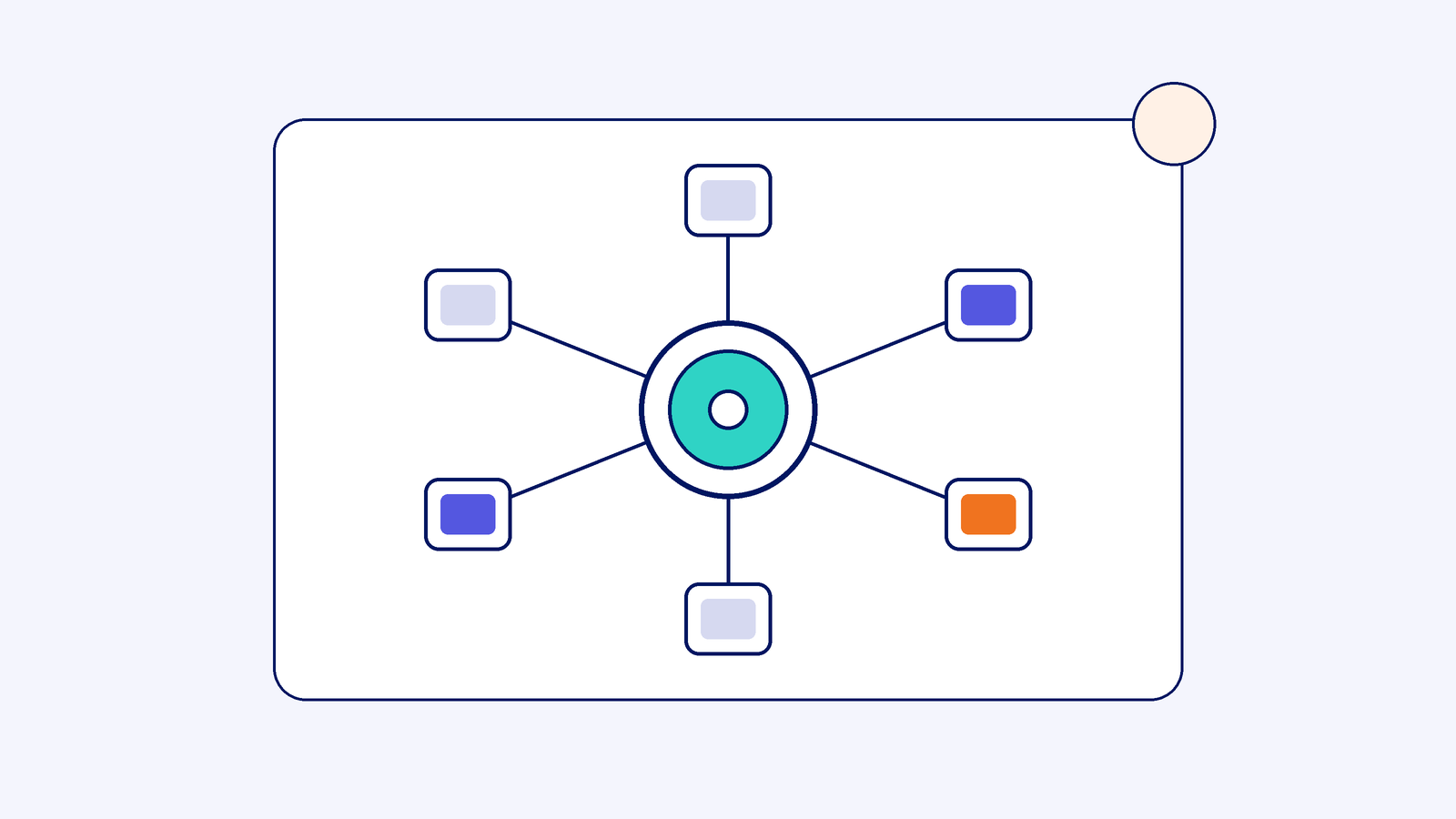
Integrations. Connect the systems that hold commercial truth: website forms, the ecommerce or booking platform, the email tool, the accounts package, the calendar. Every integration needs a rule for which system wins when two disagree. That rule is the guardrail that stops duplicate records creeping back in.
Automation. Automate what is repeated, rule-based and currently done by hand: lead routing, task creation, enrolment or onboarding emails, invoice triggers. Manual first, automate when the volume justifies it.
Reporting. A small set of reports tied to revenue: pipeline by stage and source, conversion between stages, time in stage and closed revenue by channel. If a report would not change a decision, it can wait.
Adoption and training. Short training by role, a one-page guide for each team and someone checking usage after go-live. Salespeople keep using a CRM that takes admin out of their day, so the build should be judged on that.
Our list of the HubSpot setup mistakes we fix most often is, for the most part, these steps done out of order.
Where the money usually is
Edinburgh Whisky Academy shows how much of the value sits in integration and automation. Courses, the shop, assessments, email and finance each lived in a different system, and enrolment and invoicing relied on people moving data between them by hand. We connected six systems, from Shopify and Thinkific to Brillium, Klaviyo, Outlook and Xero, into one HubSpot CRM. Most of the work was automation and business process, far more than portal settings.
40% less manual admin: The reduction in manual admin time across enrolment and invoicing after six systems were connected into one HubSpot CRM.
Source: Clear Click, Edinburgh Whisky Academy case study.
Put a cost on those hours and the business case usually writes itself. As a worked example, take two people each spending half a day a week rekeying orders and enrolments: that is roughly 360 hours a year, before anyone counts the cost of the errors.
What should the first 90 days with a HubSpot consultant look like?
Ninety days is enough for a mid-sized implementation to go live and settle, provided decisions get made quickly. This is how we'd expect the time to split.
Days 1 to 30: discovery and design
Workshops with sales, marketing, service and finance. A process map signed off by the people who do the work. A data model and property list, a draft pipeline with exit rules, an integration map showing which system owns which field, and an audit of what is already in the portal.
The day 30 deliverable is a written design you can read and challenge before anything is built. The pace here is set by decisions more than technology: a business that agrees its deal stages in a week moves quickly, and one that needs a month of debate takes a month, whoever it hires.
Days 31 to 60: build and migrate
Properties, pipelines, record ownership and permissions built to the design. Data cleaned and imported, with duplicates merged and a clear decision on what not to bring across. Integrations connected and tested with real records, one at a time, and the first automations built and tested before they go anywhere near a live contact.
Days 61 to 90: go live, train and tune
Training by role, then go-live. Reports built and checked against the source systems. The first weeks of real use always surface adjustments, so a good consultant plans time for them instead of treating go-live as the finish line.
By day 90 you should be able to answer three questions from HubSpot alone: what is in the pipeline, where it came from and what is stuck. Our guide to what a HubSpot implementation costs and how long it takes goes further into budget and timing at each stage.
If you are already past day 90 with a portal that never settled, the same sequence still works. We start with the process map and rebuild from there, keeping whatever in the current setup is sound, which is usually more than people expect.
Mapping how you sell before anyone touches the portal is where every one of our CRM projects starts. See how we set up HubSpot
How do HubSpot consultants price their work?
The usual shape is a fixed-scope project for the implementation, then a smaller monthly retainer for what follows. The project should be priced from the design, so a good proposal tells you what is in scope, what is out and what happens to the price if the scope moves.
The retainer covers what a live CRM keeps needing: new reports, new automations, a new team or product line, the occasional integration that changes how it sends data. It should be sized to real demand. A useful check is to ask what a similar client's retainer delivered over the last three months, in plain terms.
Day rates and blocks of hours exist too, and they suit small fixes. For a full implementation they make it harder to see what you are buying, so we would lean towards a scoped project with a named deliverable at each stage.
How much weight should partner tiers carry?
HubSpot ranks its Solutions Partners in tiers. The tiers largely reflect the volume of HubSpot business a partner manages for its clients. In plain English, a higher tier tells you a partner has sold and looked after a lot of HubSpot; it tells you less about whether they understand a business like yours.
Treat the tier as one input and weigh three things more heavily: who will do the work day to day, examples of projects close to yours (similar systems, similar way of selling) and how they handle the months after go-live. We are a HubSpot partner, and we would still suggest judging us on those three before any badge.
A good answer to "how would you approach our setup?" starts with questions about how you sell. A less helpful one starts with a feature list. If the platform itself is still open, our HubSpot vs Salesforce comparison for UK mid-market B2B covers that decision first.
Questions we get asked
What does a HubSpot consultant actually do?
They design and build HubSpot around how your business sells: process mapping, the data model, pipeline stages, integrations, automation, reporting and training. The useful ones spend as much time with your sales and finance teams as they do inside the portal.
What's the ROI timeline for hiring a HubSpot implementation agency?
Time saved by automation tends to show within weeks of go-live, because the manual steps simply stop. Better forecasting takes longer, usually a quarter or two, since the pipeline needs a few months of clean data before the numbers can be relied on.
How much does a HubSpot implementation cost and how long does it take?
It depends mainly on the number of teams, systems and data sources involved, and on how quickly decisions get made. Our HubSpot implementation cost guide sets out typical ranges and timings, and a scoped design after discovery is the only way to get a firm figure.
Do we need a HubSpot onboarding partner if HubSpot already offers onboarding?
Not always. HubSpot's onboarding is a sound choice for a small team with a standard sales process. A partner earns its fee when several systems need connecting, when data is coming over from another CRM or when the way you sell has exceptions the standard setup does not cover.
Can a HubSpot consultant in the UK work with us remotely?
Yes. Nearly all of our HubSpot work runs over video workshops, shared screens and the portal itself. What matters more than location is that the people who run your sales and finance processes can give the consultant a few focused hours early on.
Should we fix our current HubSpot setup or start again?
Fix it, in most cases. Existing portals usually hold more sound work than they appear to, and an audit against a proper process map shows what to keep, what to merge and what to retire. A rebuild only makes sense when the data model is too tangled to untangle.
Where we fit
We help B2B and ecommerce teams turn HubSpot into the system the business runs on, starting with how they sell and building out from there. For Edinburgh Whisky Academy, that meant six systems in one CRM and 40% less manual admin across enrolment and invoicing.
If your portal is live but the real pipeline still sits somewhere else, tell us how your sales process works and we will suggest where we would start, whether or not that involves us.