We use cookies to improve your experience on our website. By clicking "Accept all", you agree to the use of all cookies. Privacy Policy
Settings
Ecommerce PPC

Paid Media Built for Profitable Online Retail

An ecommerce PPC agency for UK online stores.
Google Shopping, feed quality and search campaigns measured in margin.
Overview

Ecommerce PPC is decided before the auction. Feed quality, product data and campaign structure determine what Google can sell for you, and most accounts leave that to chance.

We treat your product feed as a commercial asset, structure campaigns around margin rather than ROAS averages, and scale spend only where the economics hold.

Our Mission
Our Mission
Commercial Impact

What Strong Ecommerce PPC Delivers

Shopping That Sells the RangeFeed structure and titles that put the right products into the right auctions at the right price.
Controlled Cost Per AcquisitionOptimise bidding, structure and targeting to protect margin.
Scale Without Wasted SpendBudget grows only where marginal return justifies it, product by product and category by category.
Full Funnel VisibilityTrack performance from click to revenue, not just conversions.
Negative Keyword DisciplineSearch terms reviewed weekly to remove irrelevant traffic and protect efficiency.
Brand & Non-Brand SeparationCampaign structure distinguishes branded demand from prospecting to avoid inflated performance.
Our Approach

How We Build Profitable Ecommerce Campaigns

Ecommerce PPC only scales when feed, structure and bidding are aligned. Our framework is designed to control spend, protect margin and grow revenue predictably.

1

Feed and Margin Audit

We review product data quality, margin by category and current campaign economics before changing anything.
2

Feed and Account Architecture

Product data is engineered and campaigns structured so bidding algorithms get clean signals and high-margin products get priority.
3

Bidding Governance & Budget Logic

Smart bidding is deployed with clear guardrails, audience overlays and budget allocation rules to maintain efficiency as spend increases.
4

Incrementality & Profit Optimisation
Search terms, budget shifts and performance signals are continuously refined to improve contribution to revenue, not just reported conversions.
Illustrated map with a route leading to an EV charging point
Read Case Study
Clear Click brought structure and clarity to our marketing, enabling us to align activity with commercial objectives and drive measurable results across key markets.
Nathasha Ali
MarTech Manager at Hubject
£40K
Saved through improved budget modelling and allocation
£25K
Saved by optimising supplier strategy and reducing operational inefficiencies
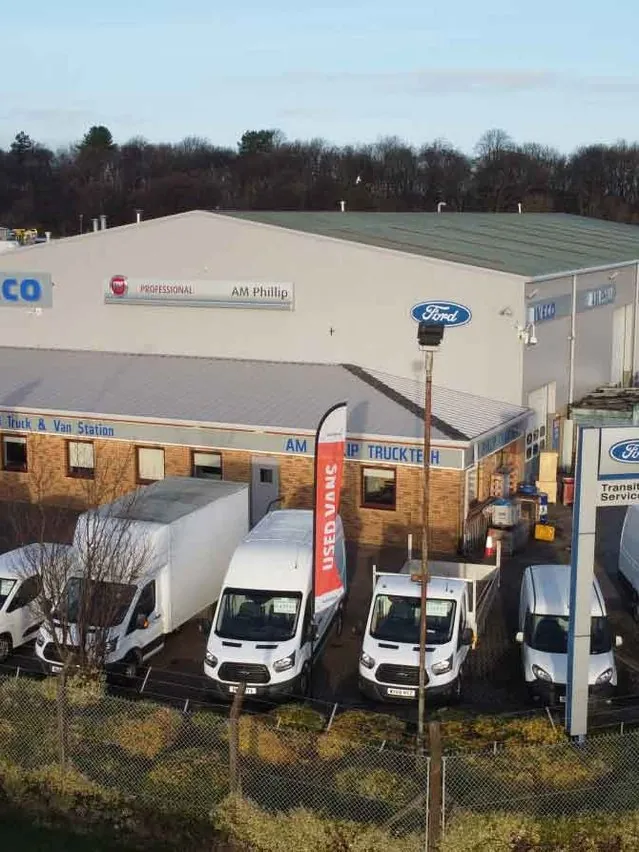
AM Phillip Trucktech dealership with Ford vans on the forecourt
Read Case Study
Clear Click helped us transform our approach, moving from costly marketplaces to a sustainable, data-driven direct model.
Grant McLean
Marketing Manager at AM Phillip Trucktech
£120k
Annual saving from reduced marketplace reliance
41%
Increase in qualified enquiries via owned channels
Convoy ATX truck at sunset
Read Case Study
Our website has seen a clear increase in traffic and rankings. Even while working in different time zones, we've never experienced slow responses in communication.
John Rains
Brand Director at Convoy ATX
32%
Increase in keyword share of voice
11%
Increase in organic clicks
Rows of salon hair and beauty products on wooden shelves
Read Case Study
Clear Click has made SEO simple for me to understand. Getting to page one of Google was easy. I love seeing the results of the strategies they put in place.
Monique McMahon
Owner of MCM Beauty
400%
Increase online revenue in the first year
3.40%
Product title optimisation boosted organic listing CTR
Aerial view of the Bore Place estate and surrounding countryside
Read Case Study
Clear Click are responsive, quick, and knowledgeable. It’s refreshing to work with people who genuinely want to help us succeed.
Florence Clark
Venue & Marketing Director at Bore Place
100%
Google Ads charity grant utilisation, up from just 10% prior to engagement
+60%
Increase in direct online donations from targeted ad campaigns
Myagi training hub dashboard showing associates trained, training minutes and retail partners
Read Case Study
They operated as a seamless extension of our marketing team, bringing a high level of professionalism and dedication to every project.
Miguel Van Den Oever
Global Marketing Manager
72%
Increase in organic sessions
38%
Increase in qualified leads
Guests nosing whisky at an Edinburgh Whisky Academy tasting
Read Case Study
Clear Click helped us bring structure to what had become a very complex set of systems. We now have a much clearer, more efficient way of managing both our customers and our operations.
Heather Smith
Digital Marketing Manager
40%
Reduction in manual admin time
100%
Centralised customer data visibility
Line-art illustration of the Oya storefront
Read Case Study
Clear Click has been instrumental in helping Oya Kitchens grow our platform, strengthening our market position through SEO and PPC. They've guided us with our SEO strategy, especially with React, and supported us during our HubSpot onboarding.
Grace Courtney
Marketing Manager, Oya Kitchens
200%
Increase in unique website traffic
180%
Growth in overall website traffic
Friends gathered around a fire pit outside a Wigwam Holidays cabin at dusk
Read Case Study
It has been fantastic to see the results come in for our national PPC and SEO campaigns. Their communication is great and as a company we are very satisfied.
Christo Gallagher
Digital Marketing Manager
£1.4M+
Revenue generated across paid and organic channels in 2025
63%
Of total website revenue driven by Clear Click-managed channels

Clear Strategy. Clear Growth. Clear Click.

Prefer to start with a conversation? Ask us for a second opinion on your current strategy. We will share where we would focus, and why.
Speak to Us
FAQs

Ecommerce PPC, Answered

How does product feed quality affect Google Shopping performance?

Feed quality decides which auctions your products can enter, so it shapes Shopping results before a single bid is placed. Titles, product types, attributes and pricing tell Google what each item is and who should see it. Thin or inconsistent data leaves products showing for the wrong searches or not showing at all. That is why our work starts with a feed and margin audit, and why we treat your product feed as a commercial asset. More detail in our guide to feed quality in ecommerce PPC.

Should an online store judge its PPC on ROAS or on profit?

Profit, because a healthy ROAS can still lose money once product costs, delivery and returns are taken out. Two products with the same ROAS can carry very different margins, and an account average hides that. We structure campaigns around margin by category and scale spend only where the marginal return still makes commercial sense. ROAS remains a useful working target, but it should be set from your margins rather than picked as a round number.

How do you manage Shopping bids when margins vary across the product range?

We group products by margin and commercial priority, so bidding algorithms receive clean signals and high-margin lines get priority. Lower-margin products can still earn a place, but under tighter efficiency targets that reflect what each sale is worth to you. Budget then grows product by product and category by category, only where the return justifies it.

How should ecommerce PPC budgets change around Black Friday and Christmas?

Budgets should rise ahead of peak trading where stock and margin support it, with the plan agreed weeks in advance rather than on the day. Click prices and conversion rates both move sharply around big retail events, so targets and product priorities need setting early. Smart bidding also needs clear guardrails through these spikes, because short bursts of unusual demand can distort how it learns. Afterwards, we review which spend won new customers and which simply captured sales you would have made anyway.

Why separate branded and non-brand searches in an ecommerce Google Ads account?

Separating them shows what paid media adds, because branded searches come from people who are already looking for you. Brand terms usually convert cheaply, so when they are mixed with prospecting they can hide non-brand campaigns that are losing money. We structure accounts so the two are budgeted and reported separately. You can then see how much new demand and revenue your advertising creates, rather than crediting it with demand your brand has already earned.