Growth often stalls not because activity is lacking, but because commercial structure is unclear. Channels operate independently, investment lacks prioritisation and margin is not consistently protected.
We define the commercial framework behind your growth, aligning acquisition, pricing, allocation and performance targets to ensure marketing activity supports sustainable revenue expansion.
What Strong Commercial Strategy Delivers
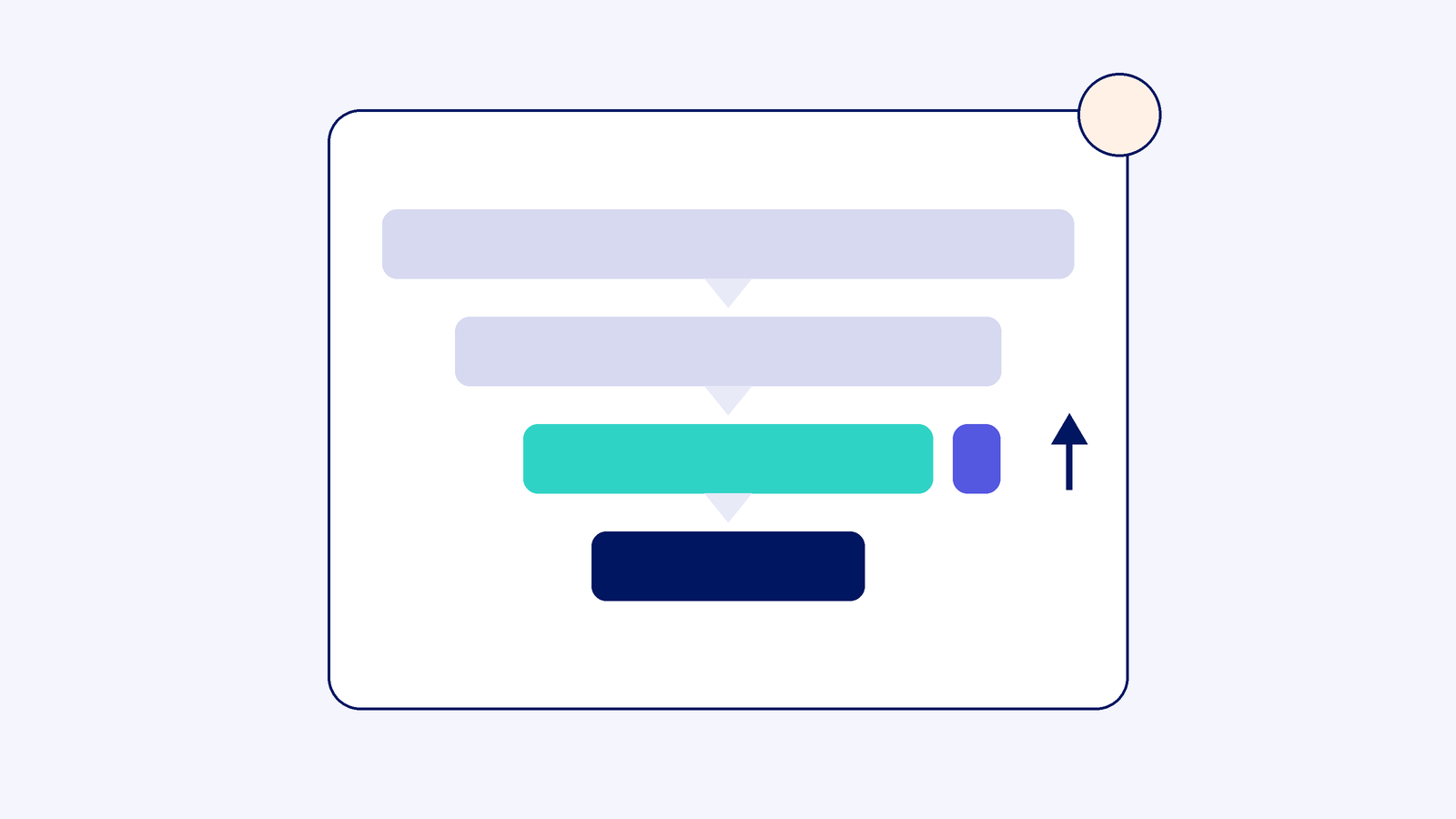
A Structured Framework for Commercial Alignment
Commercial strategy requires clarity across revenue streams, cost structure and investment decisions. We build a disciplined framework that connects growth ambition to financial reality.
Revenue & Margin Analysis
Channel & Investment Review
Opportunity Prioritisation
Performance Governance & Review
Related articles



Clear Strategy. Clear Growth. Clear Click.
Explore other Solutions
Channel Strategy, Answered
How do you prioritise growth initiatives when there is more to do than budget allows?
We rank initiatives by expected return, strategic importance and risk, then sequence them so capital is committed in stages rather than all at once. That starts with a review of where money is deployed today and how each area performs against revenue and margin. Early stages are designed to prove or disprove the case quickly, so later investment follows evidence rather than optimism. More detail in our guide to integrated channel strategy.
What is marginal return, and why does it matter for channel budgets?
Marginal return is what the next unit of spend in a channel produces, as opposed to the average return across everything already spent. A channel can show a strong average while additional budget there buys very little, because the most efficient demand has already been captured. Looking at the margin helps you move money to where it will do more work, which is often a different answer from the headline figures.
How do you make sure marketing growth does not come at the expense of margin?
We start with revenue composition, customer value and cost drivers, so margin is part of the analysis from the first conversation. Targets are then set on contribution rather than volume alone, and channels or campaigns that grow sales at an unsustainable cost are flagged early. The aim is growth your finance team would recognise as profitable, not just a rising revenue line.
How often should we review our channel mix once the strategy is set?
Most businesses benefit from a monthly performance review and a deeper quarterly look at allocation, although the right rhythm depends on your sales cycle and how quickly spend can move. We define the metrics, reporting structure and review cadence as part of the work. That governance is what turns the strategy into measurable progress rather than a document that sits in a folder.
Can you help us reduce our reliance on a single channel or marketplace?
Yes. Dependence on one channel or marketplace is a common commercial risk, and we build a plan that grows owned and diversified channels in stages while protecting current revenue. For AM Phillip Trucktech, moving from costly marketplaces towards a direct, data-driven model delivered a £120k annual saving from reduced marketplace reliance. The pace of change is set by what the numbers support.
Growth Outcomes, Not Marketing Activity
Real brands. Real numbers. £23m+ revenue influenced, with every engagement senior-led.