Revenue growth is often constrained by process, not demand. Leads enter the pipeline, but progression slows due to unclear stages, inconsistent follow-up or poor visibility.
We optimise your sales process to improve conversion, increase accountability and shorten deal cycles. The result is a pipeline that operates with structure and commercial clarity.
What Sales Process Optimisation Delivers
Our Framework for Sales Performance
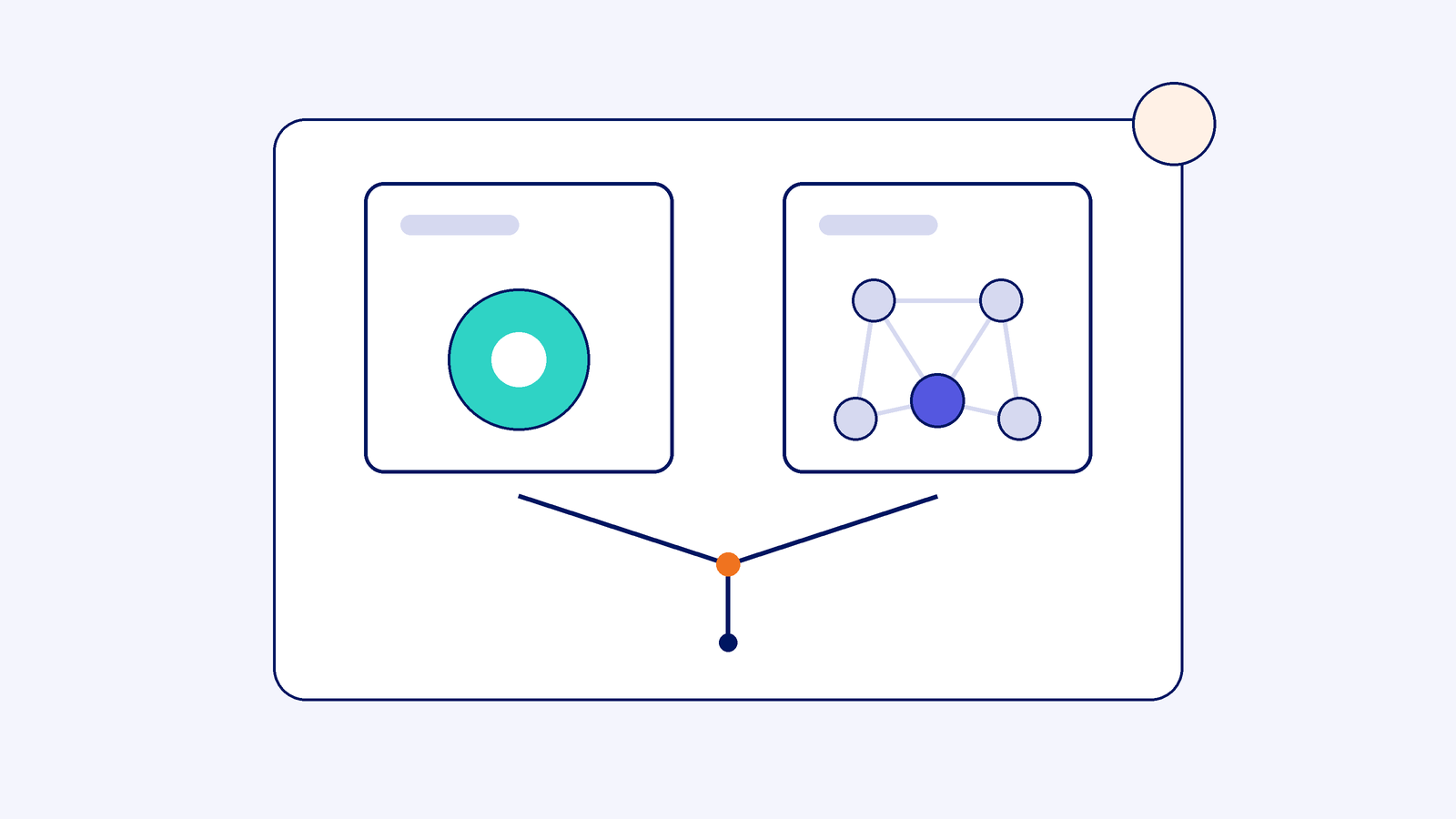
Optimising a sales process requires clarity, measurement and discipline. We align CRM structure, team behaviour and reporting to improve pipeline efficiency.
Pipeline Review & Diagnosis
Stage & Criteria Redesign
Workflow & Accountability Alignment
Performance Monitoring & Refinement














Related articles



Clear Strategy. Clear Growth. Clear Click.
Explore other Solutions
Sales Process Optimisation, Answered
Is sales process optimisation a CRM project or a people project?
It is both, which is why we work on CRM structure, team behaviour and reporting together. Redesigned stages and qualification criteria only help if the team uses them consistently, so we build follow-up tasks, ownership rules and reminders into the CRM itself. We then track progression and velocity with your managers and refine the process as results come in. More detail in our CRM setup service.
What are the signs our sales process needs optimising?
The clearest signs are deals sitting in the same stage for weeks, forecasts that keep slipping and salespeople who each define stages differently. Other signals include uneven follow-up on new leads and managers who cannot see which opportunities are at risk without asking. Often demand is not the problem. Leads enter the pipeline, but progress slows because stages, criteria and ownership are unclear.
How do you find where deals stall in our sales pipeline?
We start with your CRM data, measuring conversion between each stage and how long deals spend in each one. That shows where opportunities drop off or slow down, rather than relying on assumptions. We then talk to the people working those deals to understand why, whether it is unclear qualification, missed follow-up or a stage that does not reflect how buyers really decide.
Which metrics show whether our sales pipeline is improving?
Stage to stage conversion rates and pipeline velocity are the most useful starting points, because they show both where deals drop out and how fast they move. We pair these with average deal size, sales cycle length and win rate, then add leading indicators such as response time on new leads. Each metric has a named owner, so improvement is visible and accountable.
What does a win/loss review programme involve?
It is a regular, structured look at closed deals, both won and lost, to understand what actually decided the outcome. We review CRM records alongside feedback from your sales team and, where useful, from buyers themselves. The patterns feed back into your qualification criteria and stage definitions, so the pipeline gradually favours the opportunities you are most likely to win.