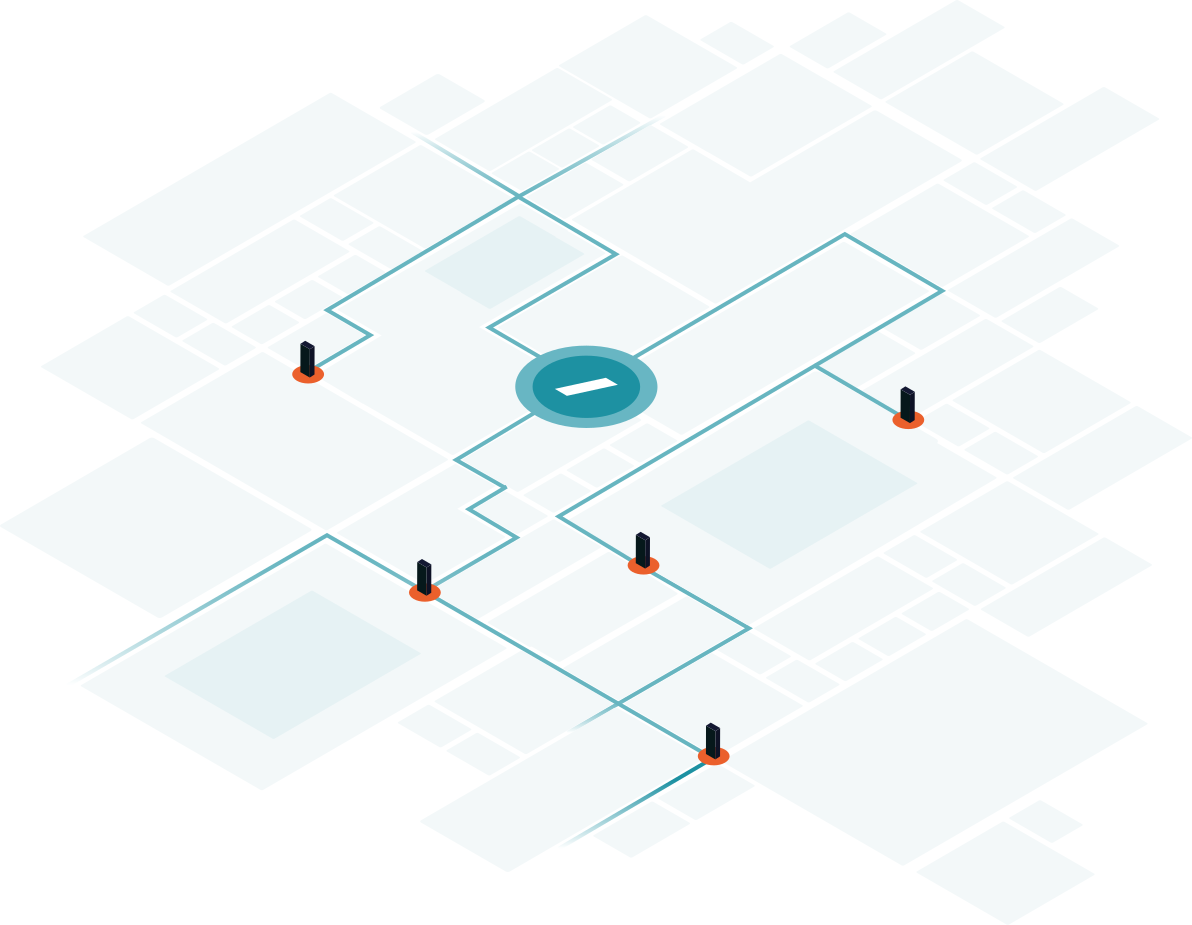
Modern paid media platforms are built on automation. Smart bidding, automated targeting and machine learning now drive most campaign decisions.
But automation without governance creates risk. Costs inflate, signals weaken and performance drifts.
We implement structured AI oversight across search and paid social, ensuring automation works within clear commercial boundaries and remains aligned to profit, not just platform metrics.
What Strong AI Governance Delivers
A Structured Framework for AI-Led Performance
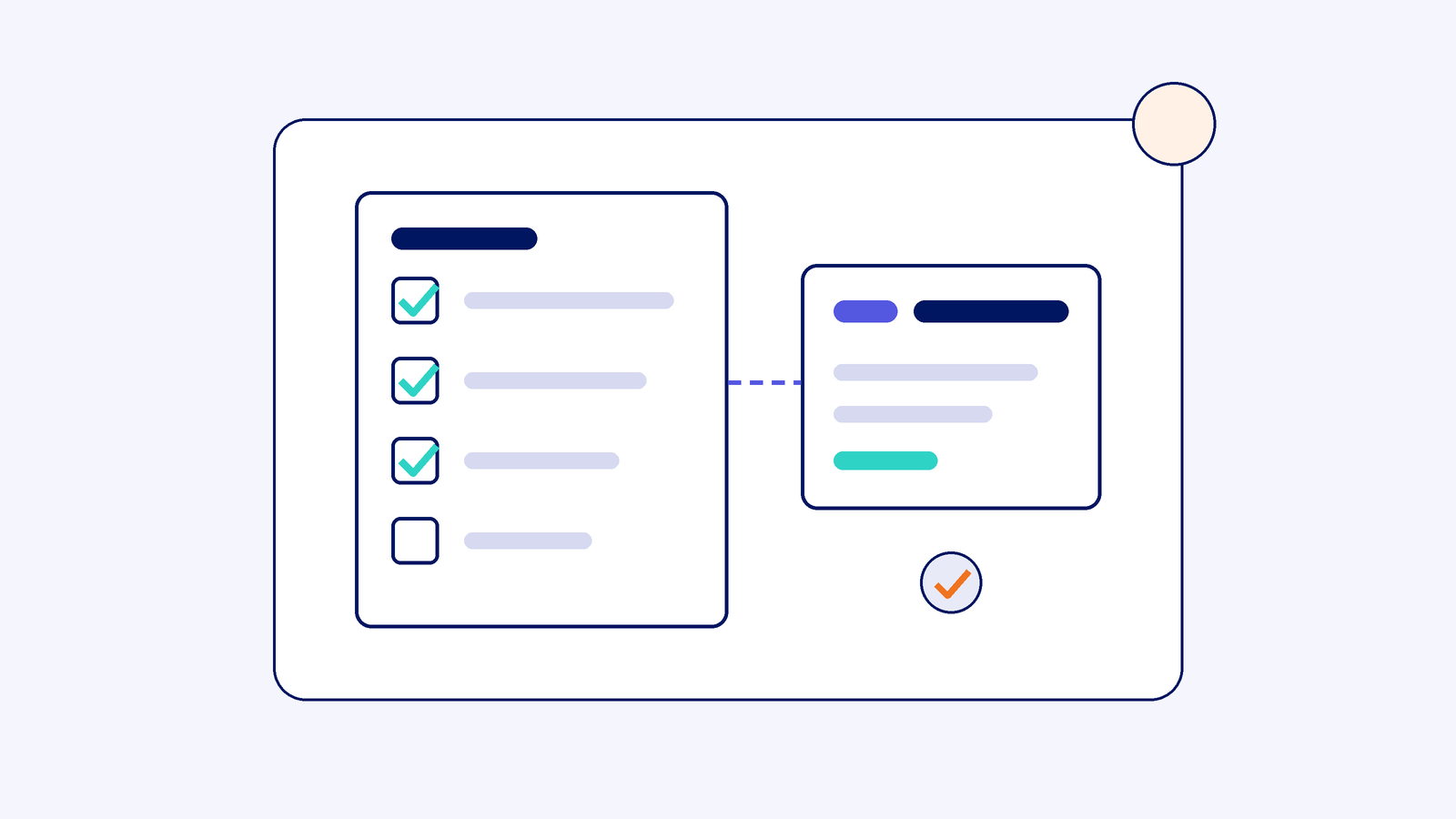
AI should accelerate growth, not operate unchecked. Our governance framework ensures automation enhances performance while maintaining commercial discipline.
Signal Engineering
Automation Guardrails
Performance Oversight
Refinement & Calibration
Related articles



Clear Strategy. Clear Growth. Clear Click.
Explore other Solutions
AI and Automation Governance, Answered
How much control should we keep when ad platforms add new AI features?
Enough that every automated decision still answers to your commercial goals. New AI features in search and paid social are adopted where performance signals justify them, and expanded gradually rather than switched on across the whole account at once. People set the budgets, efficiency targets and acceptable variance, and the platform works within them. You can then explain and adjust what the account is doing at any time. More detail in our assessment of Performance Max.
Should we trust smart bidding with our ad budget?
Yes, within clear boundaries. Smart bidding works well when it optimises toward meaningful outcomes, but left unmanaged it can inflate costs, chase low-value conversions and drift away from profit. We set guardrails around budget allocation, target efficiency and acceptable variance, and monitor how the algorithm behaves. Automation handles execution, while strategic decisions stay with experienced consultants.
What is algorithm drift in paid media, and how do you spot it?
Algorithm drift is a gradual decline in performance as automated bidding and targeting move away from what the business needs. It often follows weak conversion data, inflated conversion reporting or market changes the system adapts to without anyone noticing. We watch for rising costs, volatility and shifts in where spend is going, so drift is caught early. Settings, signals and structure are then adjusted methodically rather than reset in a hurry.
What data should we send back to ad platforms to improve automated bidding?
The closer the signal is to real revenue, the better the algorithm learns. We strengthen conversion tracking and pass offline conversions and revenue data back to the platforms, so bidding optimises toward sales and qualified pipeline rather than clicks or form fills. For businesses with a sales team, this usually means connecting CRM outcomes, so campaigns learn which leads became customers.
Why do automated campaigns sometimes report more conversions than we see in sales?
Automated campaigns count whatever they are told to count, so duplicate tracking, soft conversions or view-through credit can make results look stronger than they are. The algorithm then learns from that inflated picture and spends accordingly. Part of our governance work is tightening conversion definitions and checking reported numbers against actual revenue. Automation is then steered by outcomes the business recognises.
Growth Outcomes, Not Marketing Activity
Real brands. Real numbers. £23m+ revenue influenced, with every engagement senior-led.