Platform metrics rarely tell the full story. Reported conversions, view-through attribution and blended performance can mask inefficiencies and overstate impact.
We design structured testing frameworks across search, paid social and broader paid media to isolate what is genuinely incremental. This allows budget to be allocated with confidence and scaled where real contribution exists.
What Structured Testing Delivers
A Controlled Framework for Performance Validation
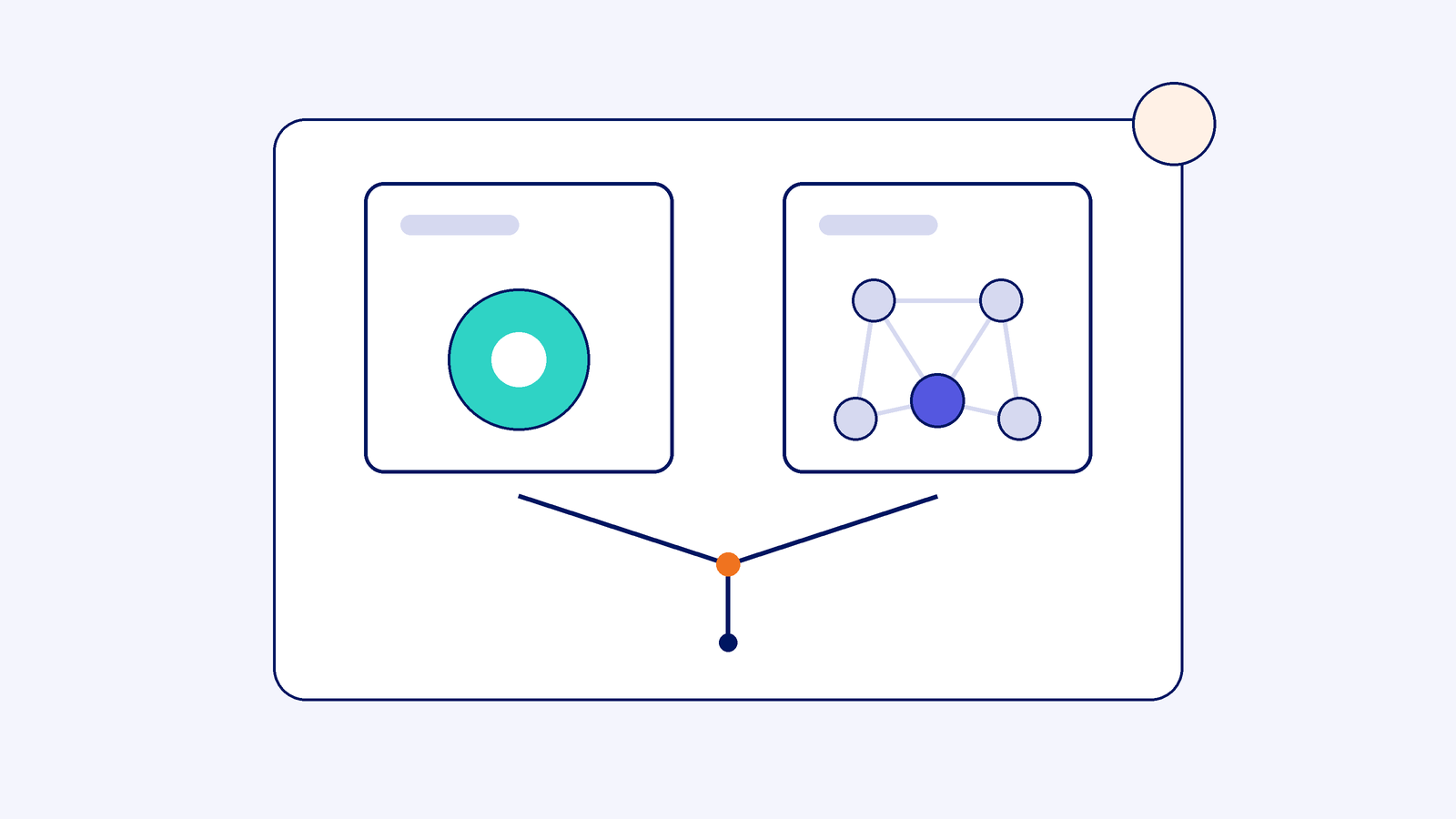
Testing is not random experimentation. It requires structure, statistical discipline and commercial interpretation. Our framework ensures results are measurable, defensible and actionable.
Hypothesis & Test Design
Controlled Experimentation
Data Analysis & Interpretation
Investment Reallocation


















Related articles



Clear Strategy. Clear Growth. Clear Click.
Explore other Solutions
Incrementality Testing, Answered
What is incrementality testing in paid media?
Incrementality testing measures the revenue your advertising actually caused, by comparing results with the spend against results without it. Platform reports show conversions attributed to ads, which can include sales that would have happened anyway. A controlled test isolates the true lift, so you can see what a channel or campaign really adds. That evidence is what allows budget to move with confidence. More detail in our incrementality testing guide for finance leaders.
What types of incrementality test do you run?
We use structured holdouts, geo tests, budget splits and channel isolation across search and paid social. A geo test, for example, runs or pauses activity in matched regions and compares what happens in each. The right method depends on the question, your sales volumes and how much disruption the business can accept. Every test starts with a clear commercial hypothesis, so the answer will change a real budget decision.
How long does an incrementality test need to run?
Long enough to gather reliable data, which depends on your sales volume, buying cycle and the size of effect you are looking for. A retailer with steady daily orders can often read a result sooner than a B2B business with long sales cycles. We agree the duration and the success measure before the test starts, so the result is defensible and nobody is tempted to call it early.
Will a holdout test cost us sales?
It can reduce sales in the test group for a short period, which is why we design tests to keep that cost small and deliberate. We size holdouts carefully, choose regions or audiences that limit commercial risk and avoid peak trading where possible. In return, you learn whether that spend is adding revenue, and the answer informs every budget decision that follows.
How do you turn incrementality test results into budget decisions?
Each result becomes a specific recommendation, such as moving budget between channels, scaling a campaign or cutting spend that is not adding revenue. We analyse lift beyond platform reporting to understand marginal contribution, then rebalance investment on that basis. Results also go into a cross-platform test library, so knowledge builds over time and future decisions start from evidence rather than assumptions.